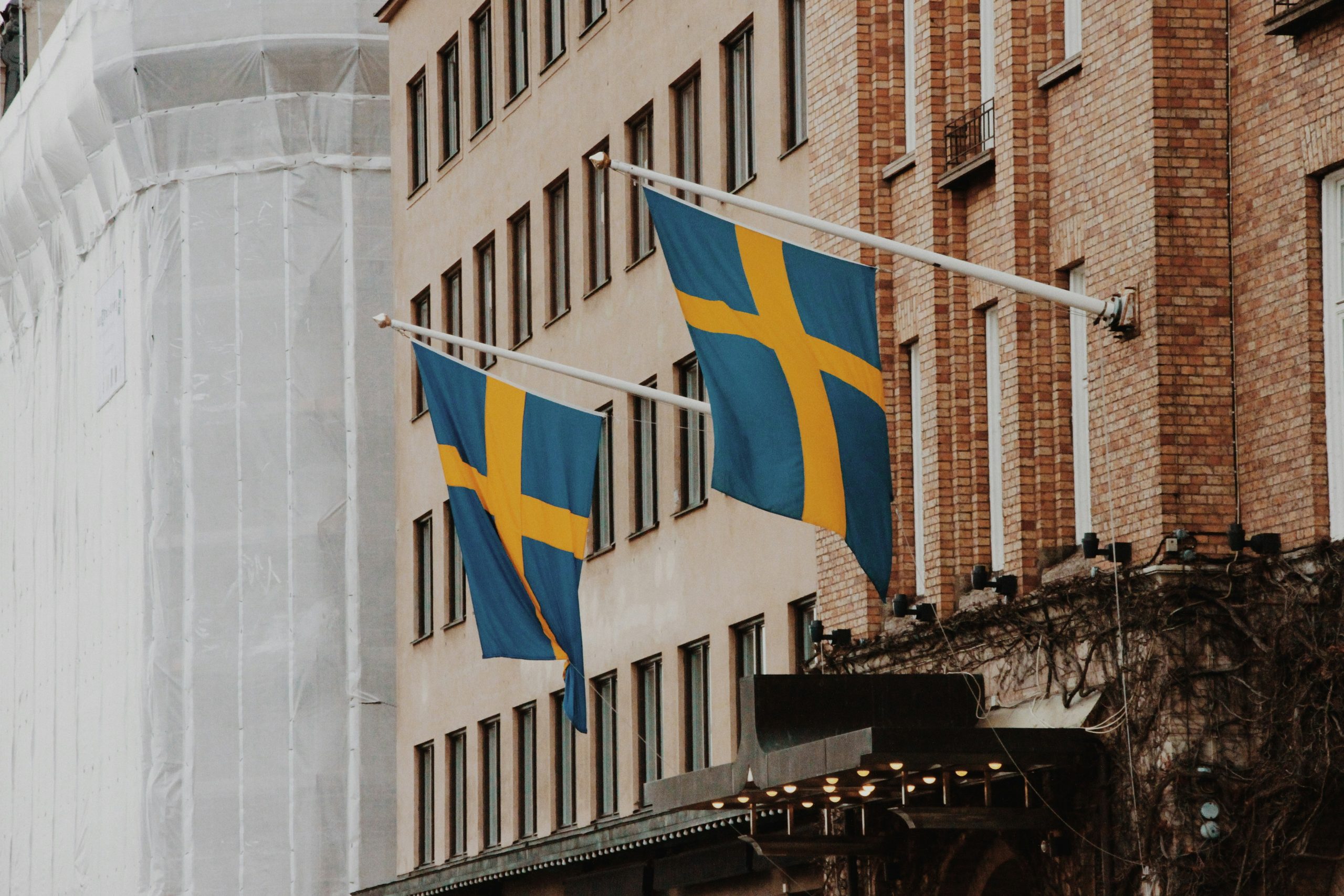
Sweden’s central bank, Sveriges Riksbank, has issued new guidance encouraging the public to strengthen their payment preparedness in case of crises, disruptions or even armed conflict.
The recommendations highlight the critical role the general public plays in the country’s broader total defence strategy, particularly when financial infrastructure is disrupted.
According to the guidance, ensuring access to multiple payment methods is essential to maintaining the ability to purchase goods and services during periods of instability. If digital payment systems become unavailable due to technical failures, cyber incidents or other emergency scenarios, alternative payment options could help ensure continued access to essential supplies.
One of the key recommendations is that households maintain a small reserve of cash at home. The Riksbank advises that adults keep approximately SEK 1,000 in cash, describing this amount as a benchmark that should cover roughly a week’s worth of basic purchases. The central bank notes that the exact amount required may vary depending on household size and individual circumstances.
In addition to holding cash, the guidance encourages people to store banknotes in a range of denominations. Having smaller notes available could make transactions easier if change is difficult to provide during disruptions. The Riksbank also recommends that consumers continue to use cash occasionally during normal times to ensure the cash system remains active and functional.
Alongside cash preparedness, the central bank is urging households to diversify their digital payment options. Specifically, individuals are advised to have access to at least two payment cards connected to different card networks, such as Visa and Mastercard. This approach is designed to reduce reliance on a single network, meaning payments may still be possible if one system experiences technical issues.
Mobile payment solutions are also highlighted as an important layer of resilience. The Riksbank notes that mobile-based services operate on infrastructure that differs from traditional card networks. As a result, payment services such as Swish may continue functioning even if card payments are disrupted. For this reason, the public is encouraged to maintain access to mobile payment applications where possible.
However, the bank also warns that relying solely on digital wallets may present risks during outages or power failures. People who primarily use mobile wallet services such as Apple Pay or Google Pay are advised to keep their physical cards easily accessible. If a phone battery runs out or the device becomes unusable, physical cards can still be used to complete transactions.
Importantly, physical cards can also enable offline payments in certain situations. The chip embedded in payment cards allows transactions to be processed even if network connections are temporarily unavailable, offering another safeguard during interruptions.
The Riksbank’s recommendations reflect growing concerns among governments and financial institutions about the resilience of payment systems in a rapidly digitising economy. As cash usage declines and digital payments dominate, ensuring redundancy in payment methods is becoming a key component of national financial stability planning.
By encouraging households to maintain multiple payment options – including cash, cards and mobile services – Swedish authorities hope to strengthen public preparedness and ensure that everyday financial transactions can continue even under challenging circumstances.
Keep up with all the latest RegTech news here
Copyright © 2026 RegTech Analyst
Copyright © 2026 RegTech Analyst