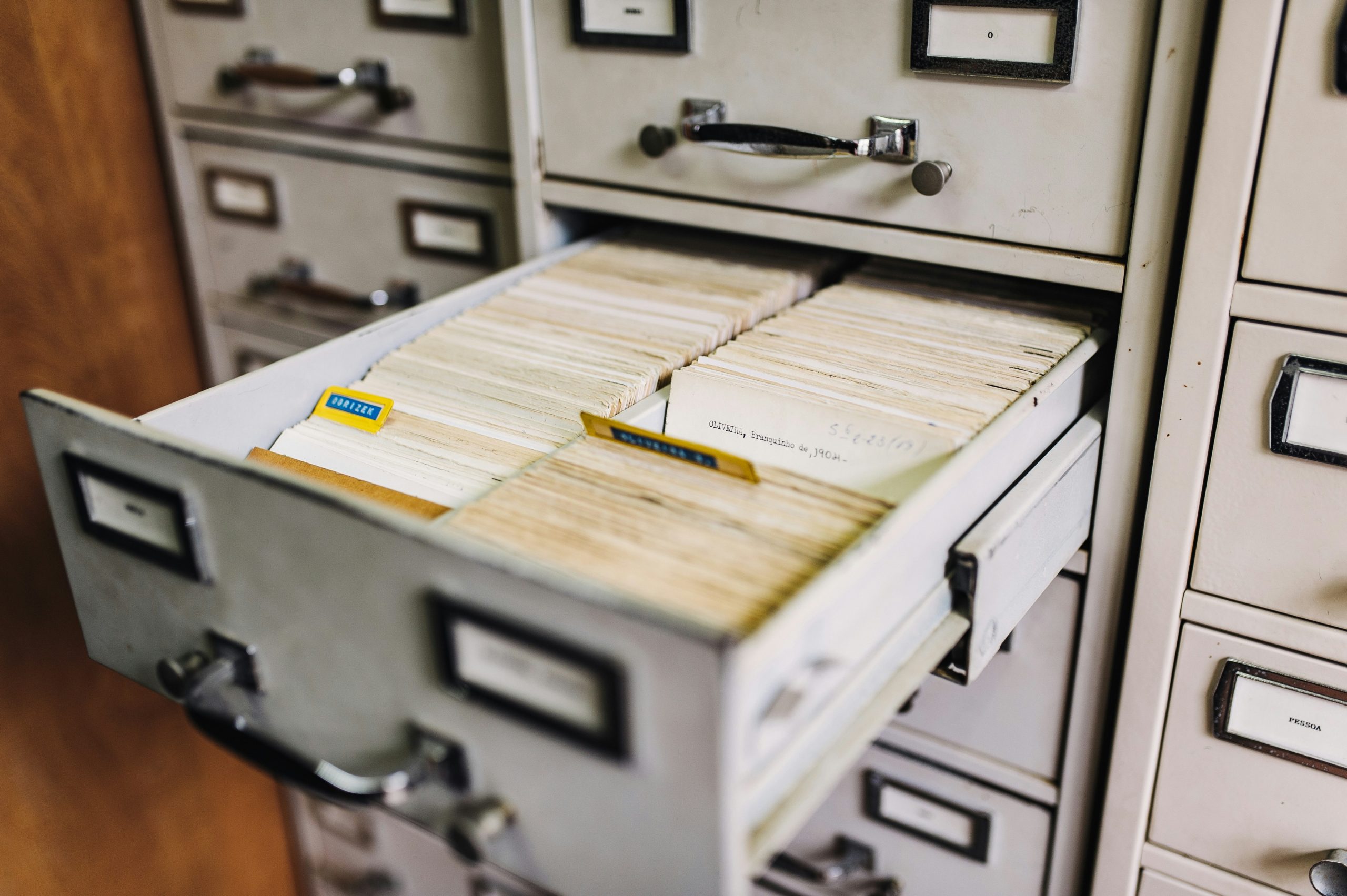
Modern Document Management Systems (DMS) have evolved far beyond basic file storage, becoming central to the way organisations handle their information. These platforms now underpin the full lifecycle of documents, helping teams streamline processes, reduce errors, and improve security.
From advanced metadata tagging to real-time version tracking, today’s DMS technology offers far more than a digital filing cabinet.
M-Files, a knowledge work automation platform, recently delved into DMS and their impressive capabilities.
A key distinction exists between a DMS and Enterprise Content Management (ECM). While a DMS is built to manage documents, offering functions like workflow automation, metadata-driven organisation, and version control, ECM is broader in scope.
ECM systems also include records management, email archiving, digital asset management, and even web content oversight. In practice, many organisations start with a DMS as the foundation for a wider ECM strategy. Platforms like M-Files often serve as that first step, providing structured workflows and scalable governance capabilities.
One of the most immediate advantages of adopting a DMS is the reduction of paper usage. By digitising physical files and making them easily accessible in centralised systems, teams can eliminate the need for printing and scanning. Tools like e-signatures, digital approvals, and audit-ready archiving cut both costs and environmental impact. For businesses keen to meet sustainability goals, digital-first systems like M-Files play a pivotal role in reducing waste and energy consumption.
Real-time tracking is another standout capability. Modern DMS platforms allow users to follow the progress of a document from creation through to approval. Visual dashboards and audit trails provide clarity on who has viewed, edited, or approved a file, ensuring accountability across teams. This visibility is especially valuable in contract management, compliance checks, and employee onboarding.
The introduction of metadata-driven workflows has been transformative. By automatically guiding files through predefined processes, metadata tagging eliminates the need for manual task assignment. For instance, a contract can automatically route to legal and then to finance for approval. Platforms such as M-Files are designed around metadata at their core, enabling automation without coding and ensuring consistency throughout document lifecycles.
Ultimately, smarter document management systems equip organisations with the tools to work faster, reduce risks, and maintain compliance. Features like version control, duplicate prevention, metadata workflows, and role-based access transform the way businesses operate. For teams looking to spend less time managing files and more time focusing on value-driven work, solutions like M-Files demonstrate the power of modern DMS platforms in driving productivity and long-term sustainability.
For more information about DMS, read the full story here.
Read the daily FinTech news
Copyright © 2025 FinTech Global
Copyright © 2018 RegTech Analyst