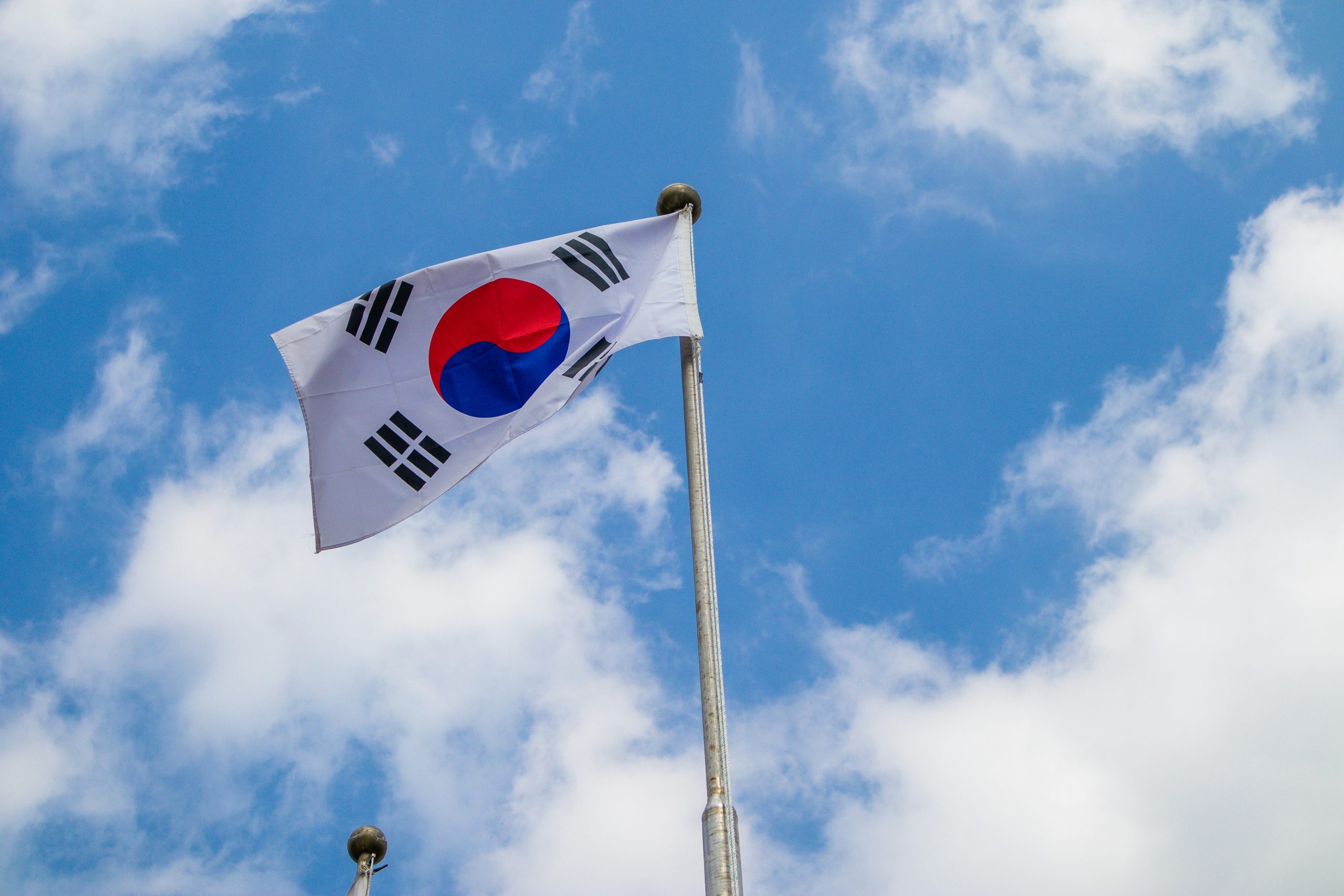
The Bank of Korea (BoK), South Korea’s central bank, is facing calls from advocacy organisations to incorporate climate finance into its monetary policy framework as the country’s currency weakens and inflation pressures mount.
According to Green Central Banking, the South Korean won has fallen to its lowest point since the 2008 global financial crisis, driven by heightened demand for the US dollar as Asian nations seek to source American crude oil in place of Gulf supplies, while global investors seek safe-haven assets.
The BoK’s incoming governor has cautioned that rising import costs, compounded by a depreciating won, are likely to quicken the pace of inflation. The situation is made more precarious by South Korea’s heavy dependence on oil routed through the Strait of Hormuz, through which nearly 70% of the country’s crude supply travels — a route that has seen near-total disruption since the outbreak of the US-Israel conflict with Iran.
UK-based advocacy group Positive Money and South Korean thinktank the Institute for Green Transformation have jointly published a briefing note recommending that the BoK use its monetary tools to accelerate a structural shift away from fossil fuels. Among the key recommendations is the creation of a dedicated green lending facility, a measure that central banks in China and Japan have already put in place, aimed at supporting decarbonisation efforts such as renewable energy uptake and improvements in energy efficiency. While the BoK has begun channelling some green financing to small and medium enterprises (SMEs) via its bank intermediation support facility, the briefing concludes this has so far been deployed on a very limited basis within its existing regional SME support programme.
The report also calls on the BoK to apply differentiated haircuts to collateral pledged by commercial banks, adjusting the reduction in asset value based on carbon intensity, so that more carbon-heavy assets are subject to larger deductions. The advocacy groups argue that assets linked to fossil fuel expansion should be removed from the central bank’s collateral framework entirely, given the elevated risk levels they carry. A further proposal involves ring-fencing a share of proceeds from the BoK’s monetary stabilisation bonds — short-term instruments used to manage excess liquidity — for investment in green assets. The briefing notes that only the UAE’s central bank has so far explored this approach with green short-term debt instruments, presenting the BoK with a potential opening to position itself as an international leader in this space.
On the fiscal side, the South Korean government has put together a supplementary budget allocating approximately 616.2bn Korean won (around US$420m) towards energy transition initiatives — a type of intervention described as rare by historical standards.
Institute for Green Transformation head of economic transformation Giwon Choi said, “The ongoing crisis underscores that … the BoK must move beyond immediate crisis management and traditional interest rate adjustments to fundamentally eliminate the nation’s high dependence on fossil fuels.”
Choi also said, “In response to the current crisis, the government has formulated a supplementary budget, allocating approximately 616.2bn Korean won [US$420mn] toward energy transition projects – a type of response rarely seen in the past,” adding that this development expands the room for the central bank to adopt this as a long-term policy.
Positive Money senior researcher Joe Herbert said, “Taking action on climate and ecological crises is still often framed as being outside of central bank remits, yet it strikes right at the heart of price and financial stability mandates. This includes using monetary tools such as the collateral framework and lending facilities to guide finance towards sectors crucial to green economic transition.”
Copyright © 2026 RegTech Analyst
Copyright © 2026 RegTech Analyst