Compliance professionals are not short of tools. If anything, they have too many. A screening platform here, a sanctions portal there, regulatory updates, case management systems, and now a growing stack of AI assistants.
According to Sherlocq, the problem is that none of them talk to each other. Each lives in its own window and its own workflow, and constantly switching between them slows everything down. In compliance, slower decisions mean higher risk.
Sherlocq recently discussed how it integrated with Claude and ChatGPT, and why Copilot and Gemini integrations are to follow.
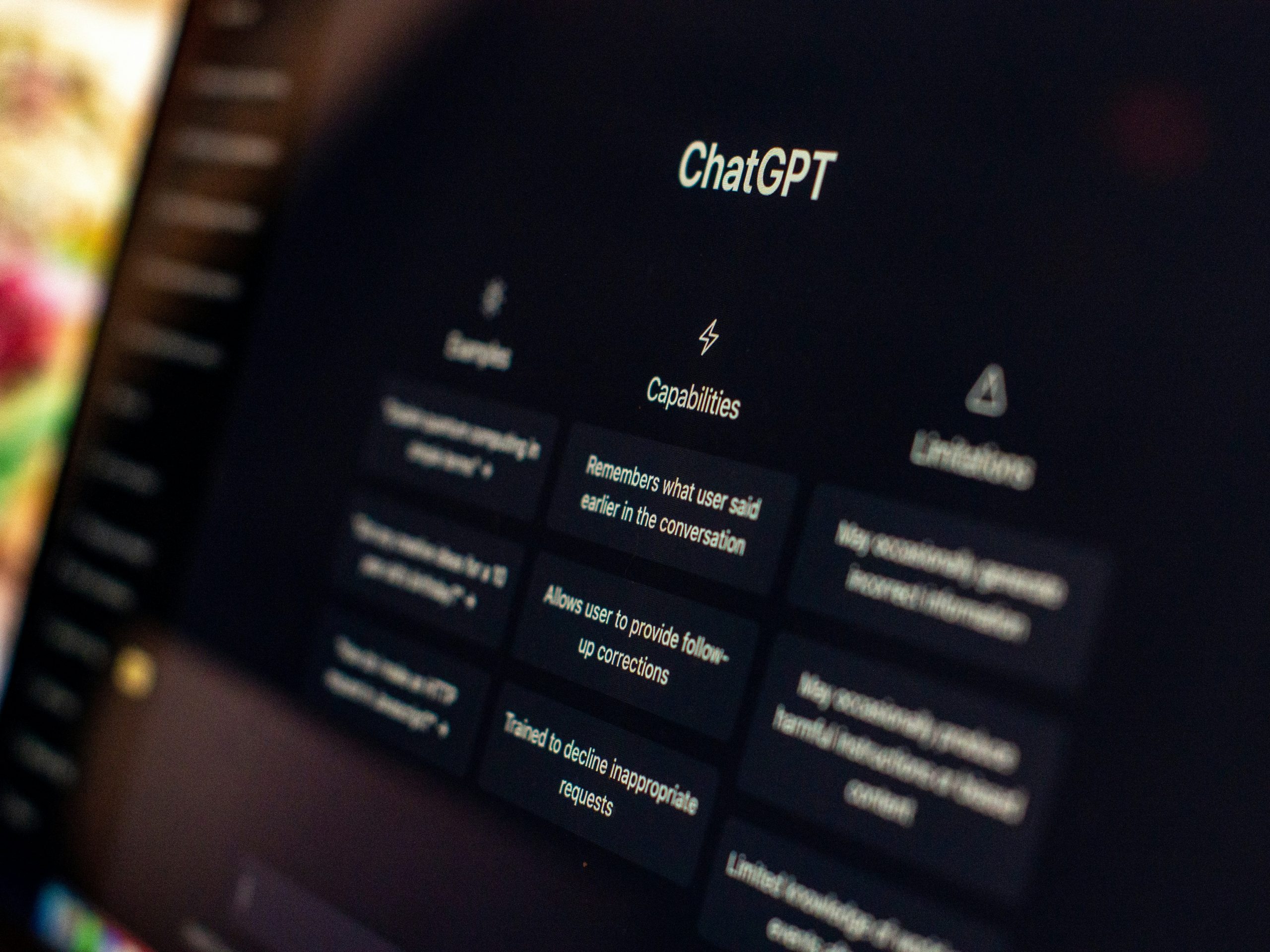
Sherlocq has just removed a significant piece of that friction. The AI-powered regulatory intelligence platform, built for global financial services, compliance, legal, and regulatory professionals, is now available as a native connector inside Claude and ChatGPT. Compliance teams can run multi-jurisdiction regulatory research without ever leaving the AI environment they already use day to day. Integrations with Copilot and Gemini are already in active development, with launches expected soon.
This is a distribution shift, not just a product update, and for compliance teams it changes the daily experience of doing the job.
Why the connector model matters
There is a pattern in enterprise software adoption that rarely gets discussed openly. Organisations buy specialised tools, those tools get used heavily by the people who championed them, and are largely ignored by everyone else. Knowledge stays siloed, and the value delivered ends up being a fraction of what was promised.
Compliance intelligence has suffered from exactly this dynamic. Global regulatory compliance costs now exceed $300bn annually, and more than 10 million professionals across banks, asset managers, payment firms, law firms, and regulators navigate this complexity every day, with roughly 40% of their working time consumed by manual research alone.
Dedicated analysts extract value from specialist platforms, but the relationship manager needing a quick counterparty check before a call, the legal counsel drafting a cross-border contract clause, or the operations lead clearing a flagged transaction rarely has the time or context to navigate a separate compliance portal. So they either skip the check or escalate it unnecessarily.
Embedding Sherlocq inside the AI tools professionals already use daily solves this at the distribution level: the regulatory intelligence comes to the user, in the environment where they are already working, at the exact moment they need it.
The Claude connector in practice
The Claude compliance connector is live, and the workflow is as straightforward as it sounds. A user drafting a regulatory gap analysis, preparing a market entry briefing, or responding to a board request on jurisdictional exposure can invoke Sherlocq directly within the conversation. Ask Claude to compare licensing and conduct requirements for a payment services business across the US, UK, UAE, and Singapore, and Sherlocq runs the query in the background, returning structured, source-cited intelligence into the same thread.
Take a senior compliance officer at a FinTech preparing to expand payment operations across multiple markets. Rather than manually pulling the FCA’s Payment Services Regulations, the MAS Payment Services Act, the CBUAE’s Retail Payment Services framework, and FinCEN’s registration and state licensing requirements one by one, they can ask Claude, with Sherlocq connected, to map licensing thresholds, capital requirements, and conduct obligations across all four jurisdictions and flag where gaps exist.
The results return within the same conversation, structured by jurisdiction and sourced to the originating regulation. Work that previously took a compliance team days of fragmented desk research now takes one analyst under an hour.
ChatGPT: the same power, a different environment
The ChatGPT connector brings identical capability to teams working inside that ecosystem. A financial crime analyst working through a flagged payment can pull sanctions screening results across more than 320 data sources spanning OFAC, OFSI, EU, UN, and UAE designations, check ownership chain flags, and surface relevant regulatory context, all within the same session.
Sherlocq is positioning itself as the first AI-native platform to deliver this depth and traceability across multiple sanctions regimes simultaneously in a single query. The logic is simple: an AI without reliable compliance data produces fluent but unverifiable outputs, while a compliance data source without AI integration produces results that sit unused in a separate tab. Together, the two close each other’s gaps.
Copilot and Gemini next
For organisations running Microsoft 365, the forthcoming Copilot integration will bring Sherlocq’s intelligence directly into Word, Outlook, and Teams, where much of compliance documentation and communication already happens. The Gemini connector will extend the same capability across Google Workspace, including Docs and Gmail. Both integrations are in development, with near-term launches targeted.
Sherlocq is now the first AI-powered regulatory intelligence platform to launch natively inside both Claude and ChatGPT simultaneously. It is not designed to replace the compliance professional, but to strip out the research burden that currently eats up nearly half their working day, freeing them for the judgement and decision-making that AI cannot replicate. In an environment where a missed designation or an undetected ownership link carries serious, measurable consequences, making verified regulatory intelligence available at the exact moment it is needed, inside the tools professionals already use, is a meaningful shift for the sector.
Read the full Sherlocq post here.
By Daniel Willis, Editor of RegTech Analyst
Copyright © 2026 RegTech Analyst
Copyright © 2026 RegTech Analyst