Private fund managers are facing a regulatory landscape that is shifting on multiple fronts at once, as the SEC sharpens its focus on AI governance, cybersecurity and the rapidly widening access of retail investors to alternative assets.
A recent article from the Hedge Fund Law Report drew on insights from an ACA Group media roundtable, which examined the regulator’s evolving agenda and what it means in practice for firms operating in private markets.
ACA recently discussed what the SEC’s focus on AI, cybersecurity, and retailization means for private fund managers.
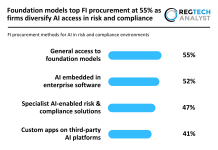
On the technology front, the roundtable highlighted a growing mismatch between adoption and oversight. Financial services firms are gradually experimenting with AI in client-facing interactions, but their governance structures have failed to keep pace. The SEC is homing in on governance frameworks, model validation and cybersecurity controls, and firms unable to produce documented answers in these areas are attracting regulatory attention.
The scale of the gap is striking. Just 24% of firms currently have a policy governing third-party vendor AI use, a shortfall the SEC is expected to move on.
The pressure is compounded by the 2024 enhancements to Regulation S-P, which mandate breach notification within 30 days and have pushed comprehensive vendor mapping to the top of the compliance agenda.
Meanwhile, the retailization of private markets is accelerating. The door to alternatives is now open wider than ever, driven by coordinated policy action across the administration. An executive order in August 2025, a March 2026 DOL proposed rule creating ERISA-compliant safe harbours for 401(k) alternatives, and the SEC’s removal of the previous $25,000 minimum and 15% allocation cap for closed-end funds investing in private funds all point in the same direction.
But greater access comes with tighter guardrails. As retail capital flows into the space, the SEC is intensifying its scrutiny of valuation, liquidity, conflicts of interest and marketing practices.
The overall picture is a regulator that remains firm on governance, cybersecurity and investor protection, even as it opens new channels for retail participation. Firms able to demonstrate proactive, well-documented compliance programmes will be far better positioned when examiners come knocking.
Read the full ACA Group post here.
Copyright © 2026 RegTech Analyst
Copyright © 2026 RegTech Analyst