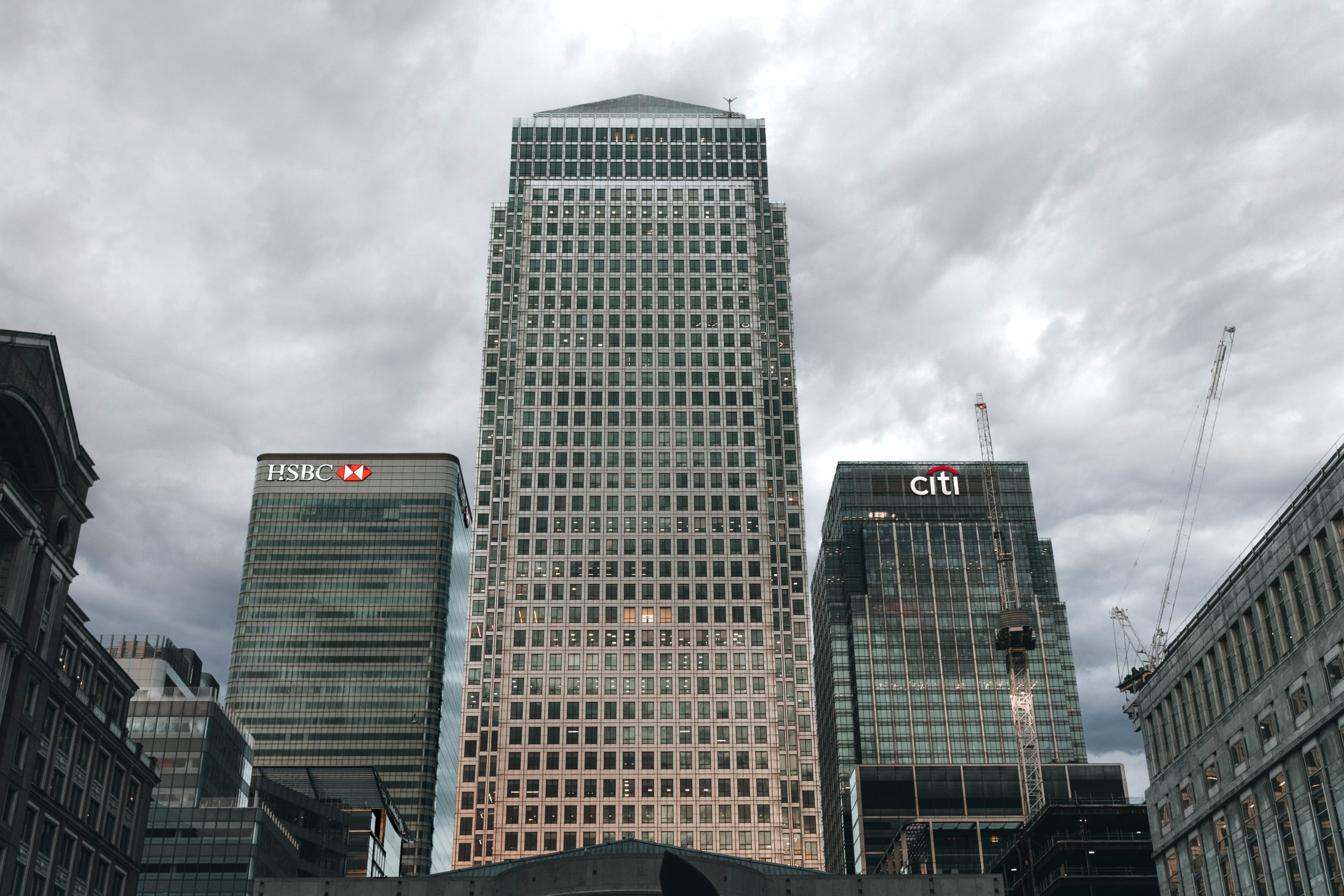
Banks have spent heavily on execution algorithms, connectivity and infrastructure so they can compete across global markets in milliseconds. A quieter problem sits beneath that investment.
The rules governing trading venues change constantly, and keeping track of what those changes mean is getting harder, according to RegTech firm Corlytics.
Corlytics monitored trading venue rulebooks continuously between 12 November 2025 and 10 November 2026. Over that period it recorded close to 1,000 published versions across 90 venues in 40 jurisdictions. That works out at roughly four updates every business day, and no month was quiet. The figures cover only 286 of the most active rulebooks, out of a monitored universe of more than 3,000.
Patterns differ by region. In the US, some venue rulebooks change almost monthly. In EMEA the difficulty is breadth, with amendments spread across multiple jurisdictions, languages and market structures. A typical update contains close to ten amendments, and about one in ten affects whether, or how, an order can be accepted.
Corlytics illustrates the risk with a hypothetical case. A venue amends its price-band or order-validation rules and gives several weeks’ notice. The amendment is published alongside routine circulars and is never flagged to the relevant desk. The bank’s control parameters stay aligned to the old rule until a venue query exposes the gap. The firm’s own illustrative estimates put the timeline at six to 12 weeks before detection and one to three weeks to resolve once found.
They also suggest 30 to 60 person-days of work, more than half of which could go on retrospective investigation. The fix itself may be simple. The expensive part is working out what was affected and whether other changes were also missed, across a portfolio that can exceed 500 venues for a global bank. Surveillance is exposed too. A newly listed instrument could be traded via GUI or API without ever being linked to a bank’s surveillance platform.
Fragmentation makes the problem worse. Venue information often reaches Trading, Technology, Market Structure, Compliance and Risk separately, and each team interprets it independently.
The European Commission has acknowledged that fragmented European market structures add technology, operational and compliance costs. The FCA’s 2025 review of algorithmic trading controls also found weaknesses in testing, deployment and accountability.
Corlytics points to four pressures raising the stakes:
- Expanding venue connectivity as trading becomes more electronic.
- New market structures such as digital assets and tokenised securities.
- Shorter settlement cycles, with the UK and EU set to follow the US to T+1 in October 2027.
- Greater supervisory demands for evidence that controls work.
For heads of electronic trading, the firm argues, the real question is whether the organisation can tell which changes matter, act on them quickly across teams, and show that the work was done. Its Corlytics Venues solution aims to help firms spot material amendments earlier and cut manual review.
Electronic trading has spent decades shrinking execution times. The next frontier may be applying the same urgency to the rules behind it.
Read the full Corlytics post here.
Copyright © 2026 RegTech Analyst
Copyright © 2026 RegTech Analyst